Expert Guide Hub
Part of our Dental Implants comprehensive series.
Understanding the connection between dental implants and bone loss is crucial for anyone considering this popular dental solution. Dental implants offer a robust method for replacing missing teeth, but they also rely heavily on the health of the surrounding bone. Let’s dive into how bone loss affects dental implant success, the role of bone grafting, strategies for preventing and managing bone loss, and alternative options for patients with existing bone loss.
How Bone Loss Affects Dental Implant Success
Bone loss can significantly impact the success of dental implants. The jawbone provides essential support for these implants, much like a foundation supports a house. When there is insufficient bone density or volume, the stability of the implant can be compromised. This instability may lead to issues such as loosening or even failure of the implant over time.
Several factors contribute to bone loss around dental implants:
- Tooth Loss: Missing teeth can lead to a lack of stimulation in the jawbone, causing it to deteriorate.
- Periodontal Disease: Gum disease can weaken bone structure and contribute to further loss.
- Infection: Conditions like peri-implantitis can cause inflammation and subsequent bone loss around the implant site.
Understanding these factors is vital for patients as they consider their options for tooth replacement.
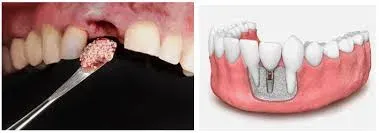
The Role of Bone Grafting in Improving Implant Stability
For patients experiencing significant bone loss, bone grafting can be a game-changer. This procedure involves adding bone material to the jawbone to create a stable foundation for dental implants. Bone grafts can be sourced from the patient’s own body, a donor, or synthetic materials.
The benefits of bone grafting include:
- Enhanced Stability: By increasing bone volume, grafting provides a more secure environment for implant placement.
- Improved Success Rates: Studies show that implants placed in grafted areas have higher success rates compared to those placed in areas with existing bone loss.
- Long-Term Health: Grafting not only supports immediate implant placement but also helps maintain jaw health over time.
Patients should consult their dentist or oral surgeon to determine if they are candidates for bone grafting based on their specific circumstances.
Preventing and Managing Bone Loss Around Dental Implants
Preventing bone loss around dental implants is crucial for maintaining oral health and ensuring long-term success. Here are some effective strategies:
- Good Oral Hygiene: Regular brushing and flossing help prevent infections that can lead to bone loss.
- Regular Dental Check-ups: Routine visits allow dentists to monitor implant health and address any issues early on.
- Healthy Lifestyle Choices: Avoiding smoking and managing conditions like diabetes can significantly reduce the risk of complications.
- Bone Stimulation Techniques: Some treatments may promote bone growth, such as using specific devices that stimulate jawbone activity.
By being proactive about oral care, patients can significantly reduce their risk of experiencing bone loss around their implants.
Alternative Implant Options for Patients with Bone Loss
For patients who have experienced substantial bone loss but still wish to pursue dental implants, there are several alternatives available:
- Zygomatic Implants: These specialized implants anchor into the cheekbone instead of the jawbone, making them suitable for individuals with severe jawbone loss.
- Sinus Lifts: For patients with upper jawbone loss, a sinus lift procedure adds bone below the sinus membrane, creating a more favorable environment for implant placement.
- Mini Implants: Smaller than traditional implants, mini implants require less bone and can serve as an alternative when conventional methods are not viable.
Each of these options offers unique benefits and considerations, so it’s essential for patients to discuss them thoroughly with their dental professional.
In conclusion, understanding the relationship between dental implants and bone loss is vital for anyone considering this treatment option. With proper management strategies like good oral hygiene, regular check-ups, and potential interventions such as bone grafting or alternative implant options, patients can achieve successful outcomes even in the face of challenges posed by bone loss. If you’re facing issues related to tooth loss or are concerned about your jawbone health, don’t hesitate to reach out to your dentist for personalized advice and treatment options tailored to your needs.