Expert Guide Hub
Part of our Esthetic Dentistry comprehensive series.
Traditional Fillings !!! When it comes to dental fillings, many people are looking for alternatives to traditional amalgam fillings, particularly those concerned about mercury exposure and seeking more biocompatible options. Fortunately, there are several materials available that not only serve the purpose of filling cavities but also align with a holistic approach to dental care. Let’s delve into some of these alternatives, their benefits and limitations, and considerations for choosing the right filling material.
Overview of Alternative Filling Materials
Composite Resin Fillings
Composite resin fillings are among the most popular alternatives to amalgam. Made from a mixture of plastic resin and glass particles, these fillings can be color-matched to your natural teeth, making them aesthetically pleasing. They bond well to tooth structure, which means less healthy tooth material needs to be removed during placement.
Glass Ionomer Cement
Glass ionomer cement is another excellent option, especially for those who may be sensitive to metals. This material releases fluoride, which can help prevent further decay around the filling. It’s often used in pediatric dentistry due to its ability to bond chemically with the tooth structure without extensive preparation.
Porcelain Fillings
Porcelain fillings, or inlays, are crafted in a dental lab and offer a strong, durable solution. They can also be color-matched to your teeth and are particularly beneficial for patients with metal allergies. However, they typically require multiple visits since they are made outside the mouth.
Gold Fillings
While gold fillings are on the pricier side, they are renowned for their durability and longevity. These fillings can last over 20 years and are less likely to wear down compared to other materials. However, their metallic appearance may not appeal to everyone.
Benefits and Limitations of Each Material
Composite Resin Fillings
Benefits:
- Aesthetic appeal due to color matching
- Strong bonding properties
- Minimal removal of healthy tooth structure
Limitations:
- May wear down faster than amalgam
- Can be more expensive than traditional fillings
- Not suitable for large restorations
Glass Ionomer Cement
Benefits:
- Releases fluoride for added protection
- Good for small cavities
- Requires minimal tooth preparation
Limitations:
- Less durable than composite or amalgam
- Not ideal for larger restorations
Porcelain Fillings
Benefits:
- Highly aesthetic with a natural look
- Durable and resistant to staining
Limitations:
- More expensive due to lab costs
- Requires multiple dental visits
Gold Fillings
Benefits:
- Extremely durable and long-lasting
- Biocompatible with minimal risk of allergic reactions
Limitations:
- High cost compared to other materials
- Requires multiple visits for placement
Considerations for Choosing the Right Filling Material
When deciding on a filling material, several factors should be taken into account:
- Location of the Cavity: Front teeth may benefit from aesthetic materials like composite or porcelain, while back teeth might require the durability of gold or amalgam.
- Personal Health Concerns: If you have allergies or sensitivities to metals, opting for composite or glass ionomer may be wise.
- Cost Considerations: Evaluate what you’re willing to spend; while gold is durable, it’s also the most expensive option.
- Longevity vs. Aesthetics: Consider how long you want the filling to last versus how important it is for it to blend in with your natural teeth.
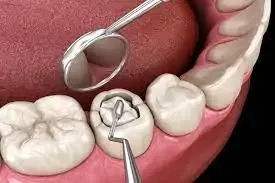
Long-Term Durability and Aesthetics of Alternative Fillings
Durability varies significantly among filling materials. Composite resins can last several years but may need replacement sooner than gold or porcelain options due to wear and tear. On the other hand, glass ionomer is best suited for smaller restorations and may not hold up as well under heavy chewing forces.
Aesthetically, composite resins and porcelain fillings offer the best match for natural teeth, making them ideal choices for visible areas. Gold fillings stand out due to their metallic color but provide an unmatched level of durability.
In conclusion, exploring alternatives to traditional fillings opens up a world of options that cater to both health-conscious individuals and those seeking aesthetic solutions. By understanding the benefits and limitations of each material and considering personal needs and preferences, you can make an informed choice that aligns with your holistic health goals. Whether you lean towards composite resins, glass ionomer cement, or prefer the longevity of gold or ceramic, there’s a filling option that’s right for you. Safe and effective alternatives to dental amalgam are available, offering benefits such as being mercury-free, facilitating future repairs, and potentially preventing costly caries in the future. Talk to your dentist to learn more about your options.